
DIY Lock Maintenance: Expert Advice from Dorset's Top Locksmiths


Maintaining your locks is an essential aspect of home security that often goes overlooked. Regular DIY lock maintenance can help ensure the longevity and effectiveness of your locks, saving you from unexpected lockouts or costly replacements. This guide offers expert advice from Dorset's top locksmiths to keep your locks in peak condition.
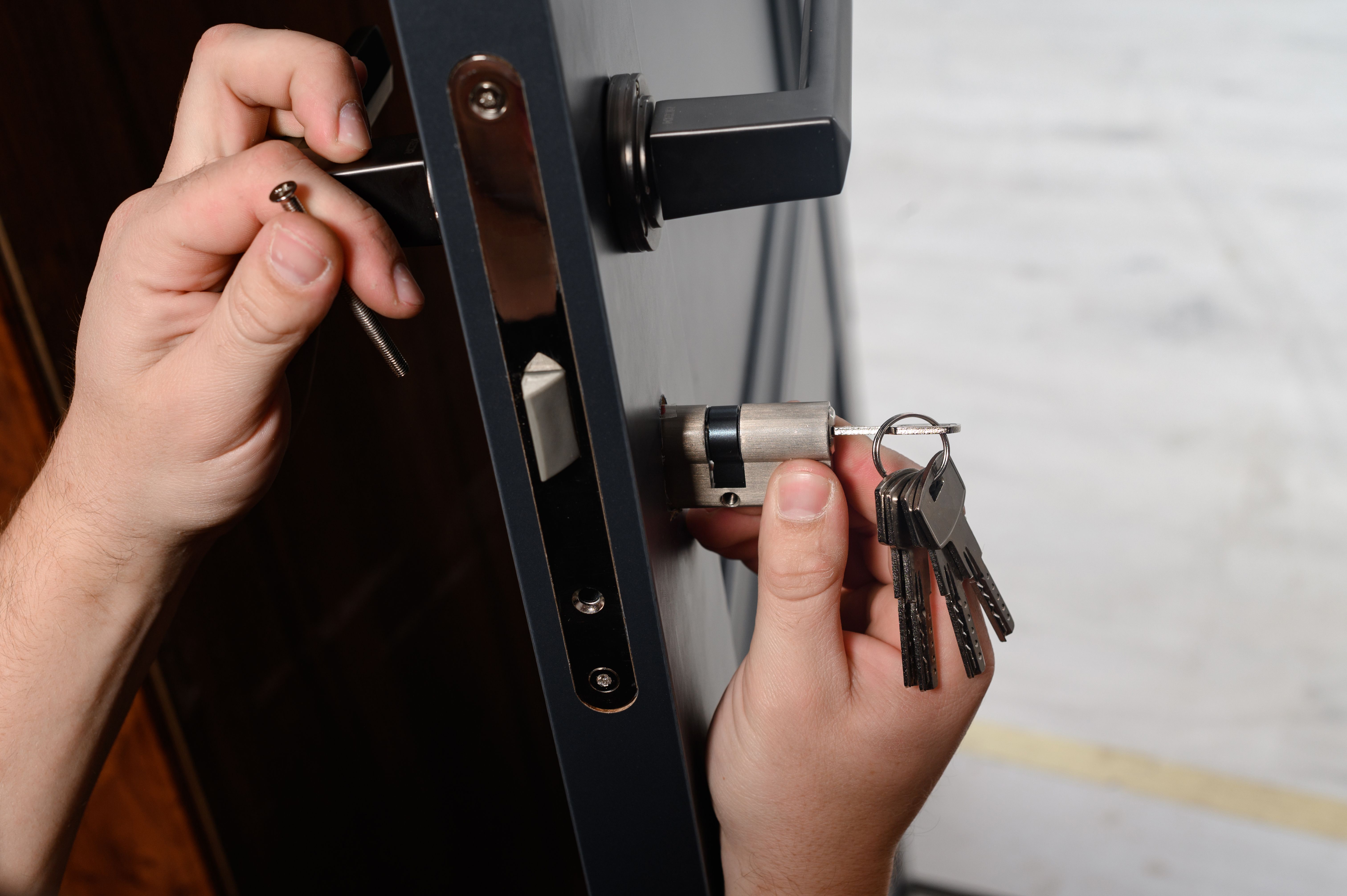
Understanding Your Lock Types
Different locks require different maintenance techniques. Common types include deadbolts, padlocks, and mortise locks. Understanding the specific requirements of your lock type is crucial.
Deadbolts
Deadbolts are a popular choice for their durability and security. Regular cleaning and lubrication are key to maintaining their functionality. Use a silicone-based lubricant to keep the internal mechanisms smooth.
Padlocks
Padlocks, often used for outdoor purposes, are prone to rust. Applying a thin layer of oil can protect them from moisture and rust, ensuring they remain operable.

Routine Cleaning Tips
Keeping your locks clean is a simple yet effective way to maintain them. Dust and debris can accumulate in the keyway, causing jams and difficult operation.
Use a soft-bristle brush to remove dirt and dust from the lock's exterior. For the keyway, compressed air can effectively clear out debris without causing damage.
Lubrication: The Key to Smooth Operation
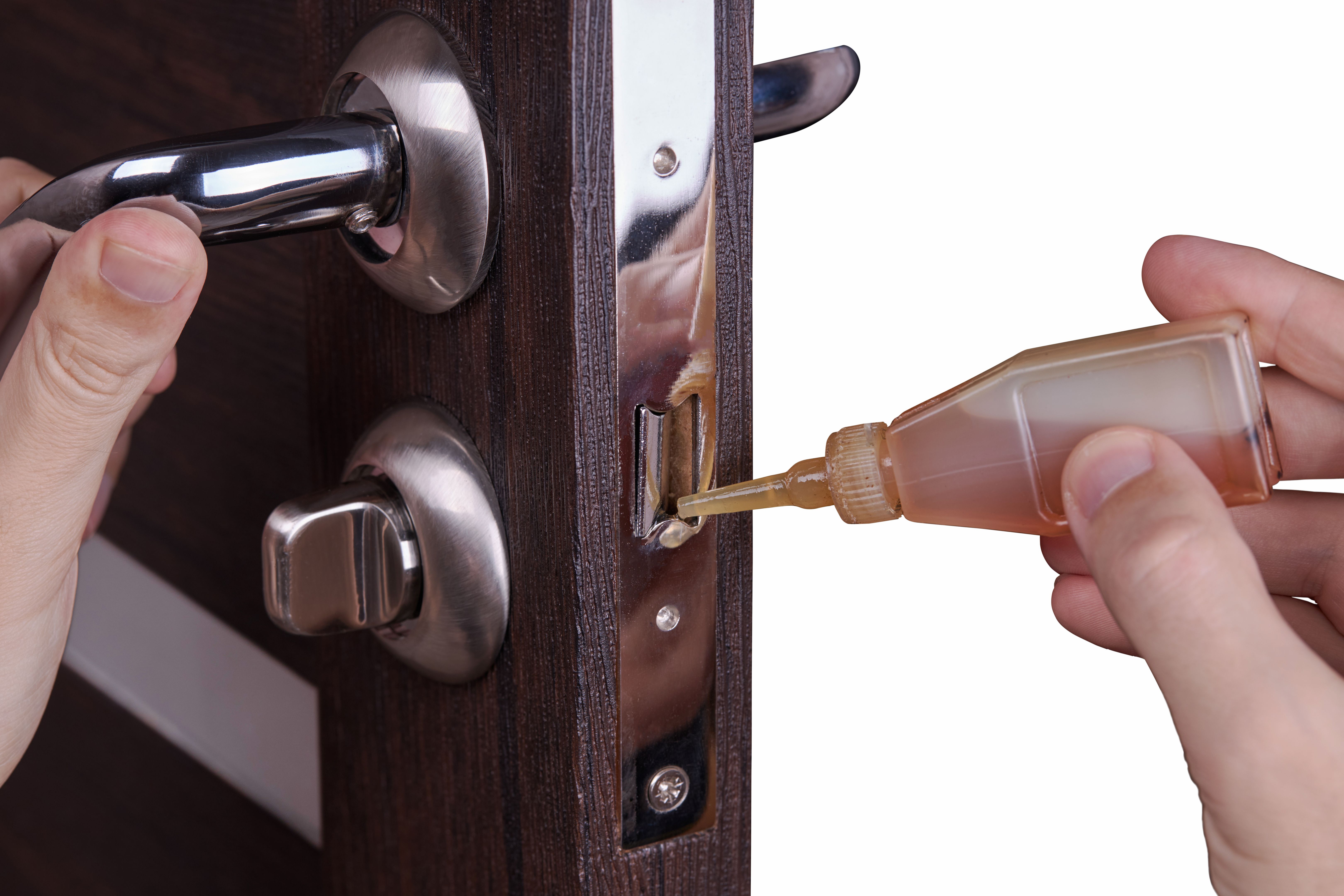
Proper lubrication is essential for all types of locks. However, avoid using grease or oil-based products as they can attract dust and dirt.
- Use a dry lubricant: Products like graphite or Teflon-based lubricants are ideal for this purpose.
- Apply the lubricant directly into the keyway and move the key in and out to distribute it evenly.
Common Lock Issues and Solutions
Even with regular maintenance, locks may develop issues over time. Here are some common problems and how to address them:
- Stiff Key: If your key is difficult to turn, ensure the lock is well-lubricated. If the problem persists, it may require professional attention.
- Misaligned Latch: A door that doesn't latch properly could be due to misalignment. Adjust the strike plate to correct the issue.
When to Call a Professional
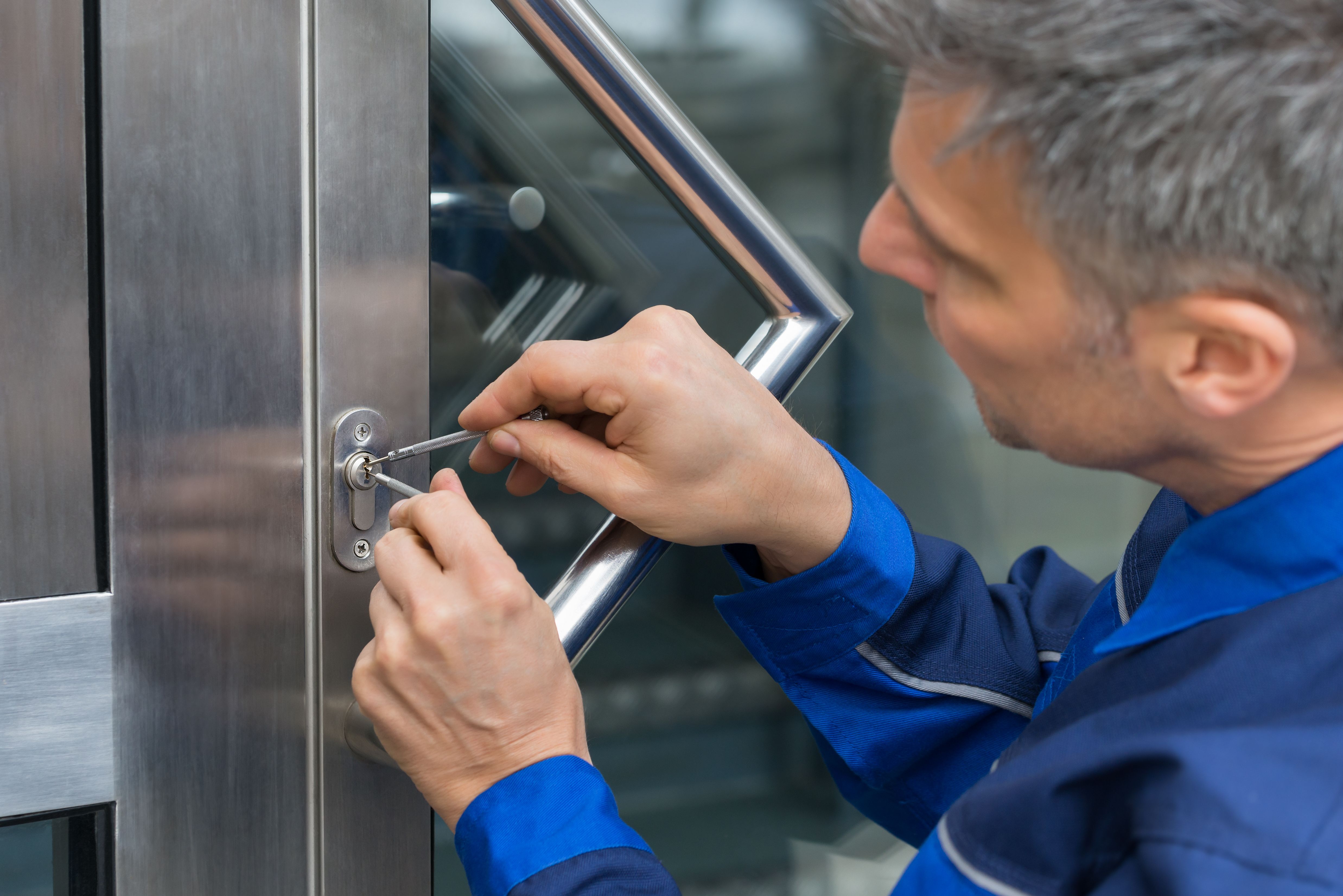
While DIY maintenance is beneficial, certain situations require the expertise of a locksmith. If you notice signs of tampering, excessive wear, or if the lock fails to operate correctly despite maintenance, it's time to call in a professional.
Regular professional inspections can also prevent potential security risks and ensure your locks offer maximum protection for your home.
By following these expert tips from Dorset's top locksmiths, you can extend the life of your locks and enhance the security of your home. Regular maintenance not only saves money but also provides peace of mind, knowing your locks are in optimal condition.